
Car Accident
Lawyers
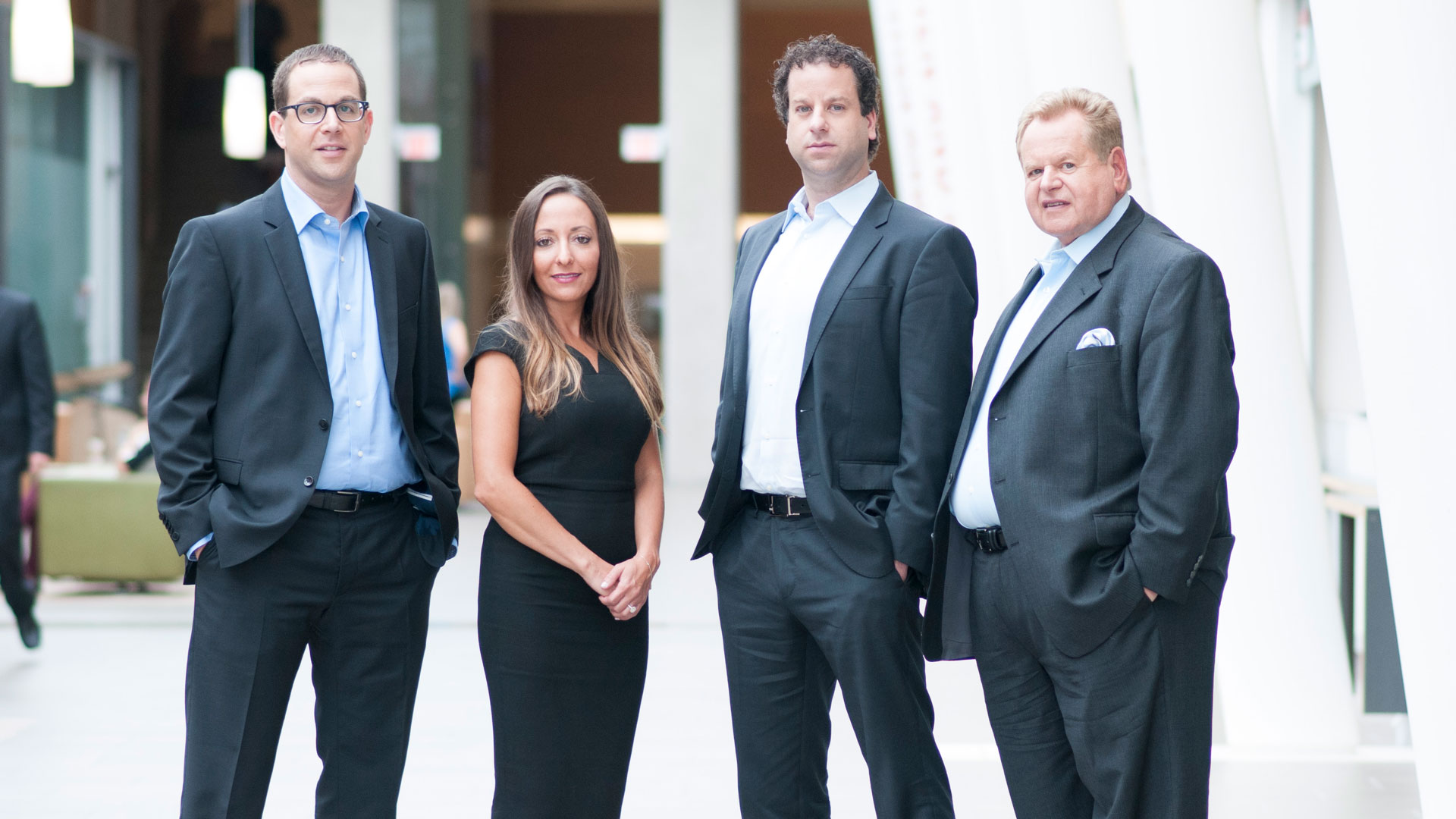
Bergel Magence LLP is built on the foundation of family. For over 50 years and two generations, we have fought the toughest fights for our injured clients, winning them top awards. To us, our clients are family. Contact us for a free, no obligation case evaluation.
Award Winning Car Accident Lawyers


If you have ever been in a car accident, you likely know how traumatic and frightening the experience can be. Car accidents, or any kind of motor vehicle accidents, are predominantly caused by reckless drivers who are either drunk, distracted, unqualified or driving a damaged vehicle. Their carelessness on the road can lead to disastrous accidents, which may leave the involved parties severely injured.
When injured in a car accident, the responsible party should be held accountable by covering your expenses and any financial losses incurred as a result of your impairment. Bergel Magence Personal Injury Lawyers in Toronto help accident victims obtain maximum compensation by evaluating their claim and navigating the complex policies set by insurance companies.
Book a FREE Consultation
Request a Free Consultation. Get the Maximum Settlement You Deserve!
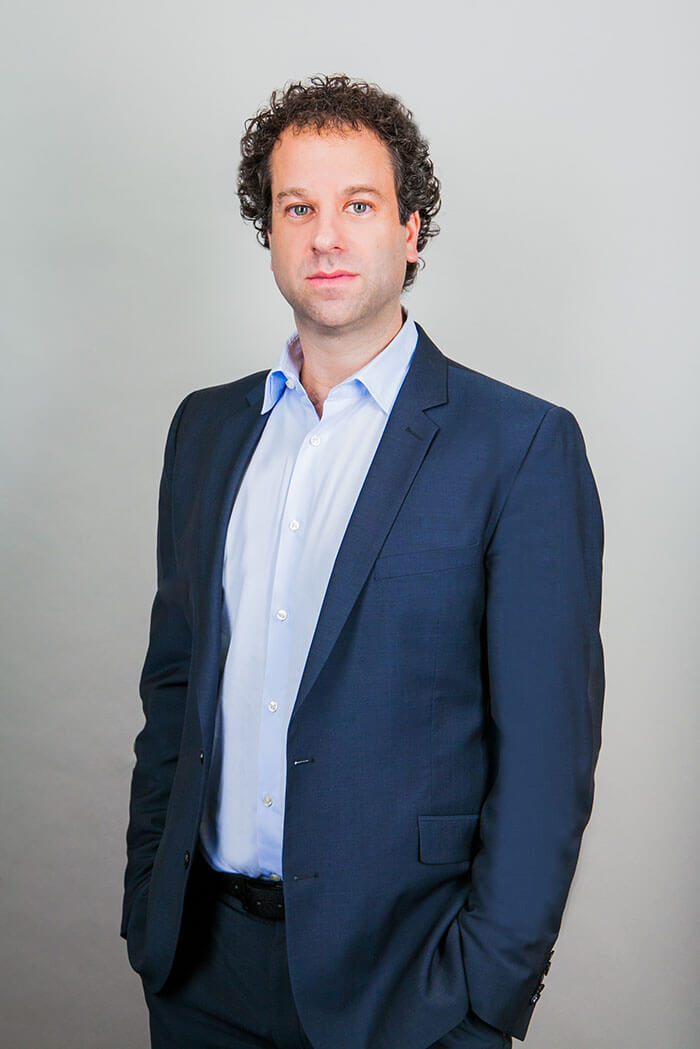
Andrew Bergel

Ilan Bergel
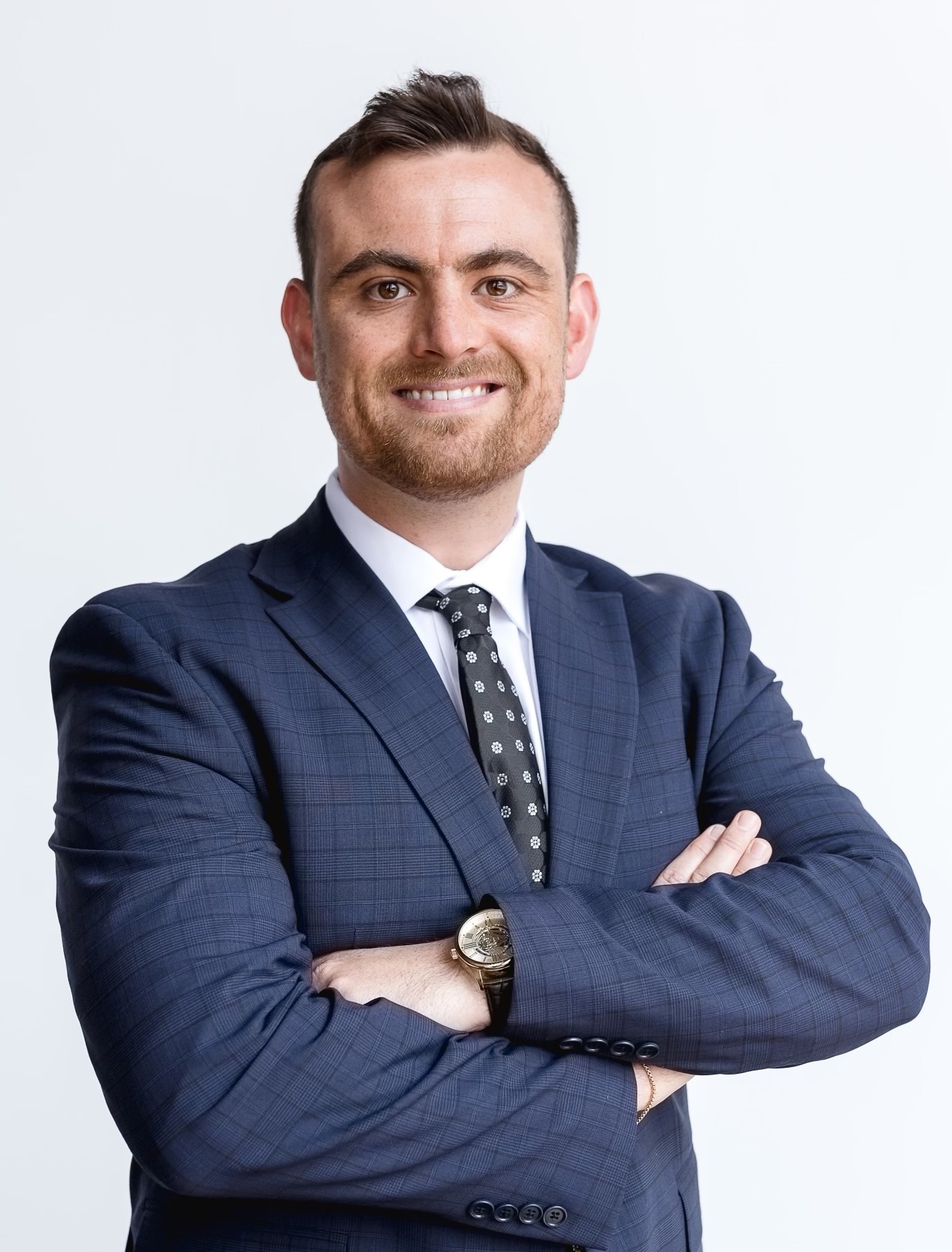
Hayden Cantor

Lorne Climans

Christopher Finlay

Jeremy Magence
- Injury lawyers since 1972
- Free initial consultation
- We handle all types of injury cases
- You Don’t Pay Until We Win
With Bergel Magence as your personal injury lawyers, you’ll have time to focus on your recovery. We will dedicate our time, resources, and expertise to ensuring that you get what you’re owed. We offer all injury victims and their families a free consultation, will discuss your car accident injury, and help you recover compensation. Contact us and we will take care of all of the hassle and frustration that comes with dealing with insurance companies.
Types of Car Accidents
Single Vehicle Accidents
Single car accidents occur when one car collides with obstacles on the road, such as an animal, utility poles, or a person, crashes into rail guards, or runs off the road. Single vehicle accidents account for almost half of all the fatalities and injuries on our roads. If you have been injured in a single-vehicle accident, or any kind of motor vehicle collision, our auto-accident litigators can help you get the accident benefits and compensation that you deserve.
Head-on Collisions
Just as the name suggests, this is an accident that occurs when two cars slam into each other, head to head. Although the number of head-on collisions across Canada accounts for a small percentage of car accidents, the fatalities and severe injuries sustained from this type of accident are very high. This is due to the high impact created by two opposing, fast-moving objects. If you or your loved one suffered an injury in a head-on collision, contact Bergel Magence Personal Injury Lawyers, and we’ll fight to get you the benefits you need and deserve.
Rear-End Accidents
Rear-end accidents occur when the front of one car collides into the rear of another vehicle. These accidents are common during heavy traffic when the “following” driver fails to stop as soon as the leading vehicle slows down or stops. Most rear-end accidents are minor, but some cause severe injuries and fatalities. In most rear-end collisions, the rear driver is at fault. However, in some cases, the lead driver may also share some fault, such as when they fail to maintain brake lights. If you’re ever in a rear-end accident, call our law firm, and we’ll be there to assess the situation and fight for your rights.
T-Bone Accidents
T-bone accidents, otherwise known as right-angle collisions or broadside collisions, occur when the front of one vehicle slams into the side of another vehicle. T-bone accidents mostly happen at intersections when one driver disregards traffic lights and tries to cross the intersection as another car does the same. These accidents can have catastrophic results, and the occupants in the vehicles impacted on the side often suffer the most severe injuries due to minimal structural protection on the broadside. If you get injured in a t-bone accident, contact Bergel Magence Personal Injury Lawyers today and speak with one of our team members. We will ensure that you get the money you require to cover any medical expenses and to support you and your family as you recover.
Chain Reaction Collisions
Chain reaction collisions, or multi-vehicle accidents, start when one vehicle slams into another, and the impact created causes one of the two, mostly the second car, to crash into a third one. The accident can also happen in another sequence after the first two cars collide. Multi-vehicle accidents are particularly dangerous when the vehicles involved are moving at high-speeds. If you get injured in a chain reaction accident, get in touch with us. We’ll help you get your accident benefits and settle any claim you may have against the party or parties at fault.
Sideswipe Accidents
Sideswipe accidents occur when one vehicle’s side collides with the side of another vehicle. Such accidents occur when a driver fails to stay in their lane, tries to escape obstacles on the road, or tries to switch lanes, and ends up bumping into the side of another car. Most sideswipe accidents are minor, however, others can quickly turn catastrophic. As a victim of a sideswipe accident, Bergel Magence Personal Injury Lawyers can help you file a claim against the individual at fault and obtain maximum benefits for any injuries and financial expenses you may incur as a result of the accident. Contact our auto accident lawyers in Toronto today for your complimentary, no-obligation consultation.
If you ever get into a car accident, remember to do the following:
- Stay at the scene until you communicate with the drivers involved. If you leave, you may face criminal prosecution.
- Take the necessary precautions to avoid more collisions. Such steps include moving your vehicle to the side of the road, lighting a flare, and turning your flasher lights on.
- Contact the police. When you call the police, they’ll write a detailed accident report, which is vital when filing an accident or injury claim.
- Trade information with the other driver(s). Note the driver’s name, address, vehicle registration, license number, insurance provider, and other relevant information.
- Collect data and information. Take pictures of the scene, including damage to the vehicles, skid marks, traffic signals, and so on. Collect witness information and note the exact location of the accident.
- Seek medical treatment. If you’re injured or feeling unwell after an accident, visit a doctor as soon as possible to receive treatment. Whether you have minor or serious injuries, it is always advisable to speak with a medical professional.
- Contact personal injury lawyers. Personal injury lawyers in Toronto will help you prepare the necessary documents, contact insurance companies, and fight for the compensation you deserve.
Protecting Your Rights After A Car Accident
When you get into a car accident, you have certain rights set by Ontario legislation (such as the Insurance Act and the Family Law Act). A personal injury lawyer can help you understand the legal components of the situation and ensure that your rights are protected and enforced. Ontario legislation governs certain rights for suing insurance companies and the driver(s) responsible for your car accident injuries. The legislation also details your mandatory benefits, and a lawyer can help ensure you obtain everything you are rightly owed.
As a car accident victim, you may file two types of claims to receive compensation for any injuries incurred. The two claims are known as accident benefits claims and tort claims.
According to Ontario legislation, accident benefits are mandatory benefits for pedestrians, passengers, and drivers injured in a car accident. The claim applies even for “at fault” drivers. It provides medical, rehabilitation, attendant care, caregiver, and income replacement benefits. Accident benefits are paid by your insurance provider.
A third-party claim, which can also be referred to as a tort claim, is a type of personal injury lawsuit by injured persons or their families against the at-fault driver. The tort claim covers pain and suffering, lost income, medical expenses, loss of the ability to enjoy life, and other expenses resulting from the injuries. This compensation is paid by the insurance provider of the “at fault” driver.
Bergel Magence personal injury lawyers protect your rights by ensuring that you receive the maximum compensation owed to you by the liable parties. Contact us today, and benefit from our unsurpassed, family-focused client service.
Our Expertise with Insurance Companies
After an accident, injured individuals and their families may start feeling financial pressure as medical bills and other expenses begin to pile up. As a car accident victim, any expenses arising from your injuries should be covered by either your insurance provider or the other driver’s insurance company. Unfortunately, dealing with the at fault party and the insurance companies after an auto accident may prove to be an arduous task.
Those individuals who try to handle their claim cases without proper legal guidance and representation, trusting that they’ll be fairly and reasonably compensated by insurance providers (whether it’s their own insurance company or an at-fault driver’s), often end up frustrated. This is because most insurance companies drag out cases, and some try to negate or downplay their responsibility because they think they are dealing with a victim who may not be fully aware of what they’re entitled to. This is why it’s advisable to work with experienced personal injury lawyers who have the expertise required to navigate the often-times complex process of filing and advancing an accident claim.
Bergel Magence Personal Injury Lawyers has been helping injury victims, dealing with insurance companies and handling car accident cases for almost 50 years. We know the ins and outs of the insurance industry, and we are equipped with the resources, relationships and knowledge to help you recover damages as quickly and efficiently as possible. Through the provision of comprehensive legal services, we will alleviate any concerns and stress that come with corresponding with an insurance company after a Toronto car accident, and will be your partner every step of the way.
Legal Help from Toronto Car Accident Lawyers
Have you or a loved one been involved in a car accident? If so, you understand how traumatic and life-changing this experience can be. Whether you’ve suffered physical injuries, emotional distress, or financial losses, it’s important to seek the help of a qualified personal injury lawyer to ensure you receive the compensation you deserve. Contact our law firm today, and we’ll help you with your car accident claim in Ontario.
Bergel Magence LLP has been helping accident victims obtain substantial awards for nearly five decades. Below you will find just a handful of examples of awards that we have recently negotiated or won for our clients.

for a passenger in a car who was rendered quadriplegic as a result of a motor vehicle accident
for a teenage boy who sustained a brain injury in a motor vehicle accident
for a teenage boy with developmental delay who suffered a brain injury in a motor vehicle accident
for an unemployed visitor to Canada who suffered a brain injury in a motor vehicle accident
for our client who suffered fractures to his ankle, knee, neck and pneumothorax in a motor vehicle accident
for our client who suffered multiple fractures in a motor vehicle accident

- Home Visits
- Hospital Visits
- NO FEES UNLESS WE WIN
- Maximum Compensation
- TESTIMONIALS
Do I need a lawyer after a car accident?
After an accident, the injured party or parties will gain a competitive advantage if they decide to reach out to a reputable law firm and obtain qualified legal counsel. If you try to handle the claim or other legal issues on your own, you might end up losing your compensation or getting a fraction of what you deserve. Personal injury lawyers are well-versed in personal injury law, will negotiate with any insurance company, and they can protect your rights and ensure that you treated fairly and receive all your owed benefits. While there are many personal injury law firms to choose from, having a reputable law firm with experienced Toronto car accident lawyers on your side will help you focus on treatment and recovery.
What is the average settlement for a car accident?
Every car accident is different, which makes each car accident injury claim unique. Thus, quantifying an anticipated settlement amount is difficult, as liability, type and severity of injuries, the insurance company (or companies) involved, and other factors play a role in the final settlement. However, working with the right personal injury lawyers in Ontario increases your likelihood of obtaining the best possible financial outcome for your individual situation. One thing to note is that we only charge legal fees if we recover financial compensation for you or your family members – there is no risk involved. Contact Bergel Magence for your free consultation, and speak with an experienced accident lawyer today.
What does a car accident lawyer do?
A personal injury lawyer assesses the facts of your accident, files your claim, commences a personal injury lawsuit on your behalf, and fights for what you’re legally owed. They navigate the legal landscape, obtain necessary medical reports and documentation, make any necessary introductions and referrals to medical experts, and ensure that their client is adequately and reasonably compensated through a settlement or trial. A good Toronto personal injury lawyer will exercise your legal rights, act as your confidant and partner every step of the way, making sure that you and your family are always fully informed about your case.
What kind of benefits am I entitled to after a car accident?
If you get injured in an accident, you may face physical, emotional, and financial losses as a result of your injuries. You are entitled to file a personal injury claim and get compensated for these losses. If your loved one suffered fatal injuries, the victim’s family members may be entitled to certain benefits and compensation for various economic losses. Car accident benefits help victims of auto accidents cover any losses and expenses incurred, including future ones. Some of the benefits or compensation that you may be entitled to after an accident include:
- Pain and suffering compensation
- Emotional torment compensation
- Loss of income
- Loss of the ability to enjoy life
- Medical bills
- Rehabilitation costs
- Attendant and personal care benefits
- Death and funeral benefits
- Caregiver benefits
- Other benefits and out of pocket expenses
After sustaining a serious injury in an accident, you may be entitled to any or all of the above benefits. Enlist the services of an experienced personal injury lawyer, and they’ll help you determine the type of compensation that you are owed. To find out what benefits you may be entitled to, contact Bergel Magence for your free consultation and evaluation of your car accident case.
How long does it take to settle a car accident claim?
Each car accident claim, like each accident injury, is unique. An insurance company may settle your claim quickly, however, some insurers may deny your claim or refuse to pay all the benefits you’re owed, which can lengthen the duration of the claims process.
Bergel Magence Personal Injury Lawyers will always work hard to move your case along and help you obtain compensation as quickly as possible. Our goal is to navigate the legal process on your behalf, help you recover physically, emotionally and financially in the most efficient and expeditious manner. Contact us today and we will get started on your claim right away.
Our Office
1018 Finch Avenue West (at Dufferin) 5th Floor,
Toronto, Ontario M3J 3L5, CANADA